The Ultimate Guide to Troubleshooting Common Home Appliance Issues
Introduction
When it comes to household home appliances, most of us rely on them every day. From the refrigerator that keeps our food fresh to the washing maker that makes our laundry day a breeze, these equipments play an integral function in our lives. Nonetheless, much like any type of mechanical device, they can face issues from time to time. Comprehending exactly how to fix common appliance problems can save you time, money, and the trouble of managing repair work specialists. In this guide, we will certainly discover different devices and their usual concerns, offering detailed troubleshooting techniques you can utilize at home.
The Ultimate Overview to Troubleshooting Common Home Appliance Issues
Understanding Your Home appliances: Why Maintenance Matters
Every home appliance is created with specific features in mind, and while they may appear durable, proper upkeep is essential for longevity. Normal maintenance not just boosts performance yet likewise stops minor concerns from escalating right into pricey repair work.
Key Benefits of Home appliance Upkeep:
- Increased Lifespan: Just like your auto requires normal oil modifications, home appliances take advantage of routine care.
- Energy Efficiency: Well-maintained home appliances take in much less power, saving you cash on utility bills.
- Safety Guarantee: Some home appliance malfunctions can pose safety hazards; routine checks reduce risks.
Common Appliance Problems: An Overview
Before diving into repairing strategies, allow's take a look at some typical issues associated with numerous family home appliances:
- Refrigerator Not Cooling
- Washing Device Won't Spin
- Oven Not Heating
- Dishwasher Leaking
- Dryer Not Drying Clothes
- Microwave Not Heating
Each of these problems has its own set of reasons and options which we'll explore in-depth.
Refrigerator Not Cooling down? Below's What You Can Do
Causes of Refrigeration Failure
A refrigerator that falls short to cool down correctly can be because of several aspects:
- Blocked vents limiting airflow
- Dirty condenser coils affecting efficiency
- Faulty temperature level settings
Troubleshooting Steps
- Check the Temperature Settings:
- Ensure the thermostat is established correctly (typically between 37 ° F and 40 ° F).
- If it's expensive or as well low, readjust accordingly.
- Inspect Condenser Coils:
- Located at the back or underneath the fridge; tidy any type of dust or particles using a vacuum cleaner or brush.
- Dirty coils can create overheating and inadequate cooling performance.
- Examine Door Seals:
- Check for fractures or dirt on door seals.
- Clean them with warm soapy water; if damaged, replace them.
- Listen for Sounds:
- Strange sounds could show a problem with the compressor or fan motor.
- If you listen to unusual seem like buzzing or clicking, more examination may be needed.
- Defrosting Concerns:
- If there's ice build-up in the fridge freezer compartment, your defrost system might be malfunctioning.
- Manually defrost and inspect elements like the defrost timer and heater.
Washing Device Will not Rotate? Troubleshoot This Issue!
Reasons for Spin Failure
When your cleaning device declines to rotate efficiently, several offenders can be involved:
- Unbalanced loads
- Clogged drain pump filter
- Faulty lid switch
How to Diagnose and Deal With Spin Problems
- Redistribute Laundry Lots:
- Uneven loads can trigger discrepancy; redistribute garments uniformly around the drum.
- Check Drainpipe Pump Filter:
- Locate the filter (usually at the front base) and clean out any kind of dust or debris obstructing it.
- Test the Cover Switch:
- Open and close the lid; if there's no click noise when shutting it might need replacement.
- Inspect Drive Belt:
- A damaged drive belt may slide during operation; check for wear and replace if necessary.
- Examine Control panel Functions:
- If absolutely nothing else works, consult a professional as control board concerns can call for sophisticated troubleshooting.
# FAQs Regarding Appliance Troubleshooting
Q1: Just how do I recognize if my appliance concern requires expert help?
A1: If you have actually attempted standard troubleshooting steps without success or if you discover indications of website electric damages (like stimulates), it's best to seek advice from a specialist technician.Q2: Can I execute all fixings myself?
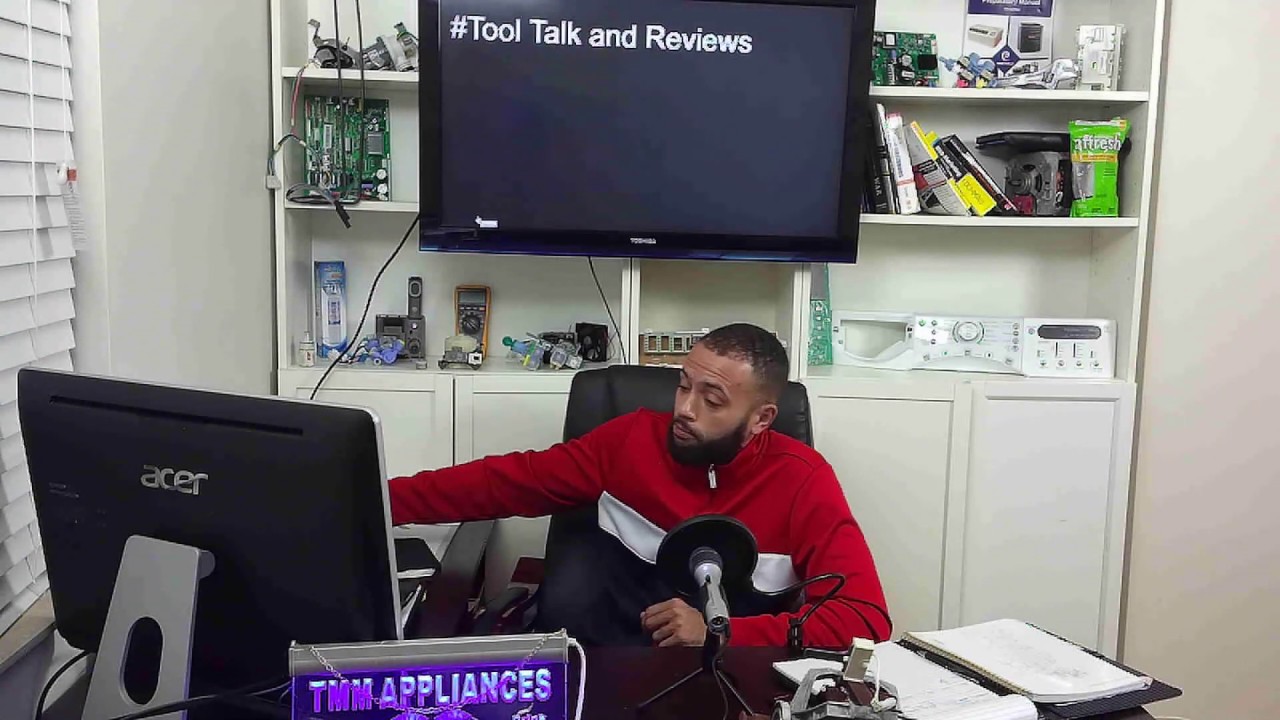
Q3: What devices do I need for standard home appliance repair?
A3: Fundamental devices consist of screwdrivers (flathead and Phillips), pliers, a multimeter (for electric screening), and cleaning supplies like brushes/cloths.Q4: Just how often must I maintain my appliances?
A4: A good general rule is to perform maintenance checks every 6 months; however, high-use things like refrigerators might call for even more regular attention.Q5: Are older devices worth repairing?
A5: It depends upon their age and problem versus replacement costs; generally if repair service prices exceed half the cost of a new unit, replacement is recommended.Q6: What are some signs that a device requires replacing as opposed to repairing?
A6: Watch out for consistent failures despite fixings, considerable power ineffectiveness causing high expenses, or visible damages that influences functionality.Conclusion
In verdict, having a strong understanding of how to fix typical appliance problems can not just save you time but likewise money in prospective repair expenses down the line. Whether it's your refrigerator falling short to cool or your cleaning equipment refusing to rotate appropriately; understanding what actions to take very first makes all the distinction. Keep in mind that while some problems are quickly reparable in the house through basic troubleshooting strategies-- others may need expert treatment for safety and security reasons.
Utilizing this overview as a source will equip you as a home owner by equipping you with expertise concerning your devices' inner workings-- allowing you to maintain them efficiently while decreasing unwanted surprises!
By following these guidelines laid out in "The Ultimate Guide to Troubleshooting Common Device Issues," you'll find on your own better gotten ready for whatever challenges your home devices throw at you! So roll up those sleeves-- your valuable skills await!